
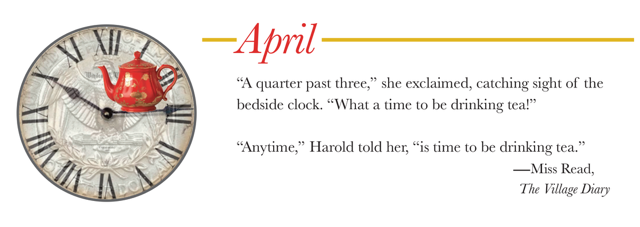
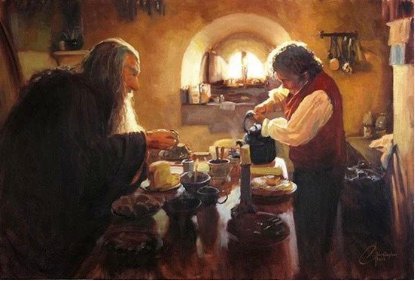
In England, tea times are staggered throughout the day. A relatively new custom, having begun in the twentieth century, is “elevensies,” tea and a light snack of muffins or scones served around 11:00 a.m. There is some speculation that this idea originated with the popularity of J.R.R. Tolkien’s characters, the hobbits’, and their third meal of the day.
“High Tea” or “Low Tea,” What’s the difference?
Afternoon tea became popular among the upper crust in England between the 1830s and the 1840s. It is commonly thought that Anne Russell initiated the custom to ease her hunger pains in the late afternoon as dinner was not served until 7:30. Soon her friends started joining her for this repast and it soon became the custom. Tea at this time of day is considered “low tea” because the ladies all sat in low chairs. Afternoon teas generally would be served with crustless sandwiches, small cakes, and macaroons.
“High tea,” interestingly, was enjoyed by the lower classes who were not allowed a lunch break. It is served directly after work at 5:00 and is served at the dinner table with heartier foods like meat, cheeses, and pies.
Whether you enjoy high tea or low tea, sitting down with a cuppa can be a welcome respite. Charleston S.C. has a long history with the beverage, both hot and iced. Early attempts to grow tea in America failed and thirsty colonists were reduced to importing it from England, at least until a certain party happened in Boston. It wasn’t until 1888 when Dr. Charles Sheppard established Pinehurst Tea Plantation in Summerville South Carolina, that tea was successfully cultivated in the U.S. His plantation flourished until his death in 1915, after which plants grew wild for the next 45 years. In 1964 the tea trees were transplanted to a 127-acre potato farm on Wadmalaw Island, where scientists spent the next 24 years studying them. In 1987 William Barclay Hall, a third-generation tea taster from London transformed the farm into a commercial operation. “American Classic Tea,” became the first tea to be made completely from American trees.
Bigelow purchased the beautiful tea farm in 2003 and named it The Charleston Tea Plantation, changing the name in 2020 to The Charleston Tea Garden due to the historical significance associated with the word plantation. The Charleston Tea Gardens offers tours of its factory and trolley tours through the seemingly endless fields of tea.
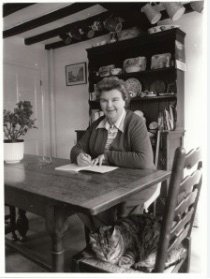
Dora Jessie Shafe better known as Miss Read was an English novelist in the mid-twentieth century. She wrote children’s books including the Fairacre novels whose central character, Miss Read, was an unmarried school teacher in a small English village.